
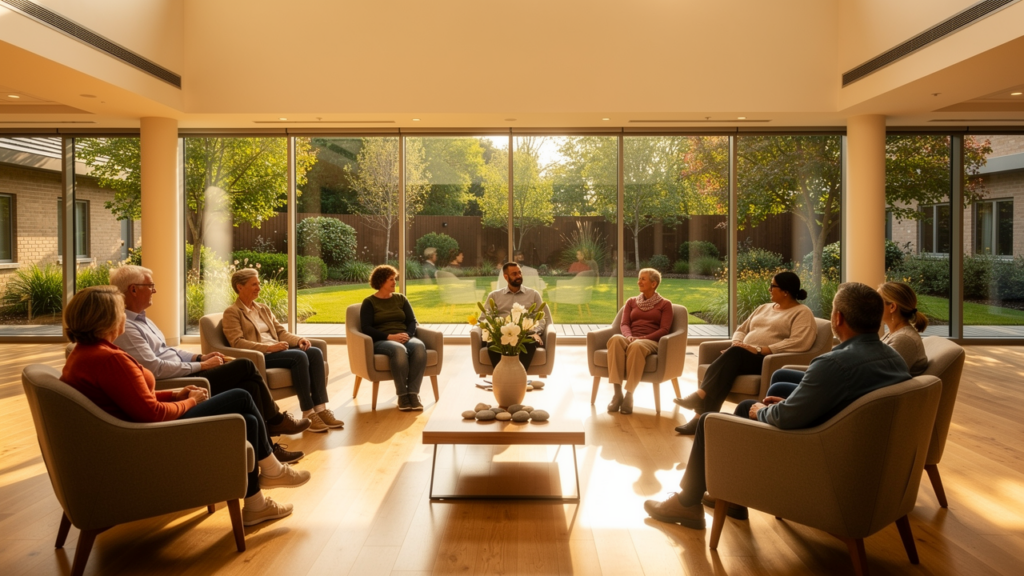
Regional Workshops and Cultural Evenings for Bereaved Family Members combine structured psychoeducation, communal remembrance, and mutual emotional support within a single localized setting designed for people coping with the loss of a loved one. Regional workshops for bereaved family members are typically organized close to where participants live, reducing travel burdens while still offering a professionally guided space for shared grief processing. This article, written from a professional and third-person perspective, examines workshop dynamics, event formats, emotional safety standards, and the practical logistics that shape these community initiatives.
Understanding Regional Bereavement Programs: Formats, Purposes, and Core Distinctions
Structured educational workshops, commemorative cultural gatherings, clinical psychotherapy, and open-ended mutual aid groups each serve a different function within the wider field of loss support. Bereavement support programs occupy the space between formal psychiatric intervention and informal home grieving, offering a dedicated venue where grief workshops and community grief support can coexist without requiring a clinical diagnosis. Peer support for bereaved families operates on the premise that shared lived experience, rather than professional treatment alone, can meaningfully reduce isolation.
Clinical therapy is generally oriented toward individualized symptom reduction and psychiatric assessment, while community-level grief workshops focus on shared experiential validation and normalizing the emotional reactions that follow loss. Cultural evenings, by contrast, emphasize collective commemoration and social reintegration rather than intensive therapeutic processing, which keeps them accessible to participants who may not be ready for structured clinical work.
Public health research bodies have outlined frameworks distinguishing clinical treatment from community-based prevention, and this research summary clarifies how non-clinical initiatives can function as primary and secondary prevention against prolonged maladaptive grief reactions, without replacing individual care when it is needed.
Structural Flow, Expressive Methods, and Safety Standards in Group Settings
A typical regional workshop follows a predictable sequence: welcoming protocols to settle the room, a structured introduction of the day's theme, small-group breakout discussions, and a closing grounding exercise intended to help participants leave in a stable emotional state. Group grief processing often relies on narrative sharing, where participants describe their loss in their own words, alongside expressive arts in grief such as reflective writing, ceramic symbolism, or shared music, which give non-verbal outlets to feelings that are difficult to articulate directly.
Facilitation and Ethical Safeguards
Trauma-informed facilitation is used to prevent emotional flooding or secondary traumatization, particularly when one participant's story triggers strong reactions in others. Facilitators are trained to maintain emotional containment during moments of collective despair, redirect dominant speakers, and hold space for divergent grieving styles within the same room. Safe space guidelines and confidentiality in group settings are stated explicitly at the start of each session, covering the limits of privacy, informed consent, and any mandatory reporting obligations. These practices align with standards described in the group psychotherapy guidelines published by professional associations governing group-based clinical and community work.
Audience Alignment, Family System Dynamics, and Readiness Timing
Programs commonly separate participants by kinship tie, since a bereaved parent, a surviving spouse, a sibling, and an adult child each process loss through a different developmental lens. Family systems in bereavement research shows that relatives grieve at different paces and intensities, which is why some organizations offer both joint family sessions and separate affinity cohorts to prevent one member's silence from suppressing another's expression.
| Track | Primary Kinship Focus | Typical Session Theme |
|---|---|---|
| Parents | Loss of a child | Identity and daily routine rebuilding |
| Spouses | Loss of a partner | Practical adjustment and social role change |
| Siblings | Loss of a brother or sister | Overlooked grief and family attention gaps |
| Adult Children | Loss of a parent | Legacy, memory, and family continuity |
Timing matters as much as format. Psychoeducation on grief helps participants judge whether their current state is stable enough for active group listening or whether a passive attendance option is preferable. Persistent numbness, inability to function at work months after the loss, or intense avoidance can indicate complicated grief, a pattern that generally calls for individual clinical treatment alongside, or before, community participation.
Cultural Inclusivity, Commemorative Evenings, and Meaning Reconstruction
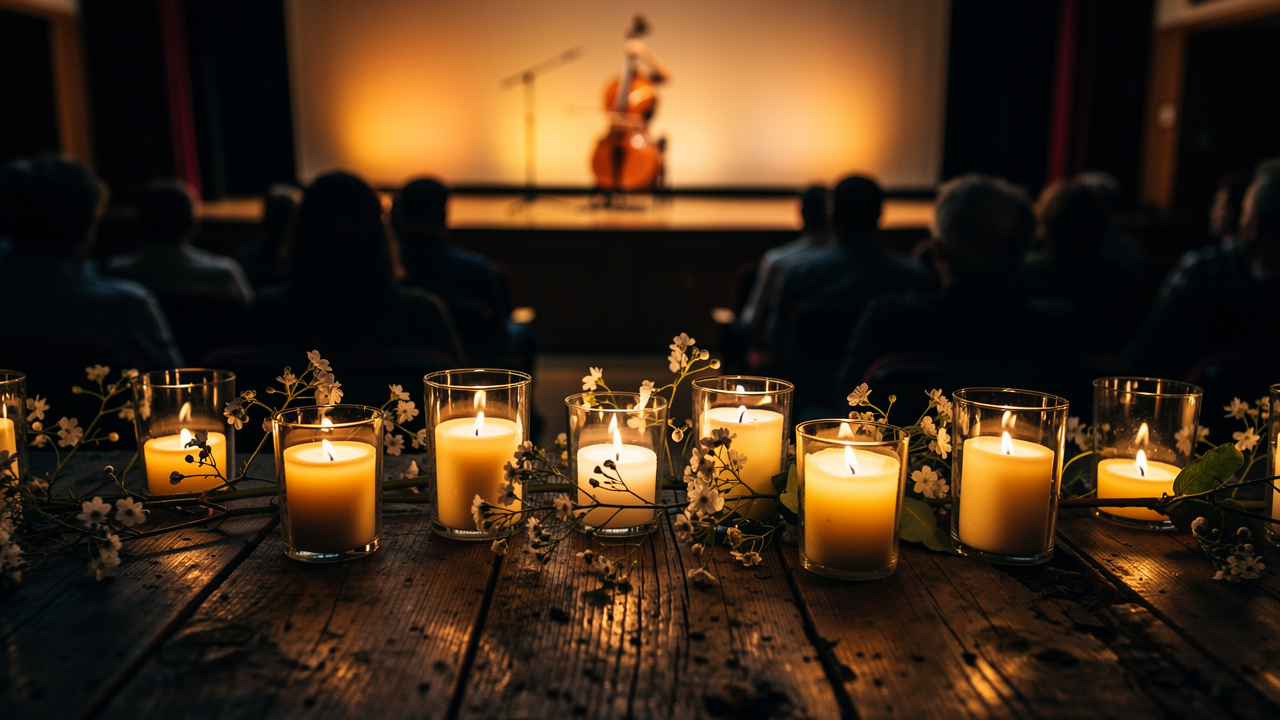
A regional memorial evening differs from a daytime educational seminar in tone and purpose. Rather than instruction, it offers an atmospheric, aesthetic space where poetry, musical performance, and spoken tribute validate personal sacrifice within a shared communal setting. Commemorative events of this kind function less as therapy sessions and more as collective acts of recognition.
Structured rituals of remembrance allow survivors to sustain a psychological connection to the deceased without remaining trapped in acute distress. This reflects continuing bonds, a modern grief paradigm that replaces the outdated expectation of full emotional detachment with an ongoing relational memory. Through shared storytelling, participants engage in meaning-making after loss, turning private suffering into a narrative the wider community can hold together.
Cultural sensitivity in grief support requires that memorial rituals remain optional, that language stays neutral across religious and secular viewpoints, and that no single interpretation of grief is presented as the correct one, since doing so risks alienating attendees from differing traditions.
Geographic Accessibility, Operational Logistics, and Institutional Participation
The term "regional" generally refers to a defined geographic radius chosen to keep transit time and travel burden manageable for grieving families, rather than a strict administrative boundary. Some initiatives run as a single annual commemorative event, others operate as monthly regional hubs, and some are organized as multi-week cohorts with a defined start and end point. Venues typically account for physical accessibility and provide a quiet retreat room for anyone who needs to step away mid-session.
Financial Structures and Registration
Institutional sponsorships, philanthropic underwriting, and sliding-scale contributions are common funding models, with some programs fully subsidized for eligible families. Pre-registration intake questionnaires are used even for free events, since a short screening step allows organizers to assess participant needs and maintain group safety before the session begins.
For additional details, you can visit the business website at: idfwo.org.
Post-Event Emotional Integration, Coping Strategies, and Ongoing Support Pathways
Emotional exhaustion or a sudden grief surge in the 24 to 72 hours following an intensive workshop or commemorative evening is a recognized and normal reaction. Confronting deep emotional material during a session can temporarily heighten sadness or physical fatigue once the structured setting is removed, which is why organizers often provide brief guidance on what to expect at home afterward.
Resilience-building after such events tends to involve simple grounding routines, predictable sleep and meal patterns, and short, low-pressure conversations among family members who attended jointly or separately. Alumni networks, digital discussion forums, and scheduled follow-up meetings help sustain the peer connections formed during regional gatherings. Participants who notice unresolved traumatic distress are generally directed toward feedback channels or professional referral pathways rather than left to manage the reaction alone.
How soon after a loss can someone attend a regional workshop?
There is no fixed rule, but most programs recommend waiting until acute shock has eased enough for group listening to feel tolerable rather than overwhelming, which varies by individual.
Are cultural evenings the same as therapy groups?
No. Cultural evenings focus on collective commemoration and social connection, while therapy groups target individualized clinical goals under professional supervision.
Can family members attend together or should they attend separately?
Both options exist. Joint attendance supports shared processing, while separate affinity cohorts can prevent one relative's grieving style from overshadowing another's.
What happens if a participant shows signs of complicated grief?
Facilitators typically flag the concern gently and suggest an individual clinical referral alongside continued community participation.
About the Business
The organization is a non-profit association dedicated to supporting the unique needs of widows, widowers, and orphans of fallen Israel Defense Forces personnel and security service members. Its work centers on sustained emotional welfare, community connection, and regional programming that reaches bereaved families across different life stages, from early loss through long-term adjustment. The organization maintains an ongoing commitment to holistic assistance, combining practical support with community-based initiatives aimed at helping bereaved families rebuild stability and connection over the course of their lives.